The GACE Middle Grades Reading Exam is a GACE assessment that measures a prospective middle school English teacher's ability to teach English against the standards set in the state of Georgia. It is a content exam that measures both knowledge of the standard curriculum itself, as well as one's ability to assess students' work and apply the principles of teaching to students of varying skill levels. This means that the exam is not just about reading, but also about having the skills to teach a diverse classroom. As such, test-takers will need to be well versed in the pedagogy of teaching. The questions, which are designed for entry-level Georgia English teachers, are asked in both short answer and multiple choice formats. The rest of this article will cover, in detail, the test content, how to complete the GACE registration, how the test is scored, and how to study for the test.
GACE Middle Grades Reading Exam Registration and Cost
The test is a single content exam and costs $123 to take. Test takers should visit gace.ets.org for registration information and to locate test centers and dates for the GACE Middle Grades Reading Exam. The test taker will have to create both a MyPSC account and an ETS GACE account. The MyPSC account keeps track of the test taker's identification information and GACE scores, and documents the reason for taking the test. The answer given will affect where and to whom the test scores are sent. The ETS GACE account is for registering for the actual Middle Grades Reading Exam.
TeacherCertification.com
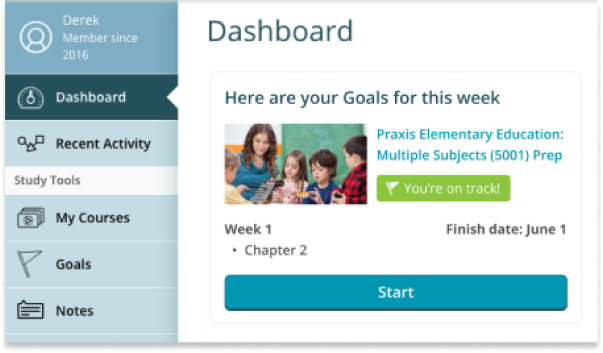
Get a personalized test prep course for the GACE Middle Grades Reading.
Take an assessment and focus on the areas that need the most practice.
The GACE Middle Grades Reading Exam is taken on a computer. It contains 90 selected-response questions, some of which do not count toward the overall score and are used by the test provider for research purposes only. Question types include multiple choice questions, true/false questions, and multiple selection questions. Some questions have an audio component, and headphones will be provided at the test center in various GACE test locations. The test duration is two hours and thirty minutes; test takers are allowed two hours and ten minutes to complete the GACE test itself and twenty minutes to review tutorials and instructional screens that explain how to use the computer and input answers. The content of the GACE Middle Grades Reading Exam can be split into three subareas: Curriculum and Instruction, Assessment and Evaluation, and Diversity and Literate Environment.
Concise, engaging video lessons
Master concepts quickly with clips from expert instructors. You get both video lessons and test transcripts.
Save time by quickly reviewing video transcripts for essential lesson information.
The first section of the exam covers knowledge of the reading curriculum and how to apply it to students of differing developmental levels and progress. This section assesses the candidate's understanding of various theories of literacy acquisition; how to evaluate and create curriculums that meet students' needs as individuals and as a group; flexibility of approach based on a student's level of comprehension; and different approaches necessary to teach an entire class of students. The "Curriculum and Instruction" subarea comprises about 35% of the GACE Middle Grades Reading exam and there are approximately 35 questions. This section of the test contains selected-response questions and one or more audio questions, for which headphones will be provided by the test center. This is the only subarea of the test with audio-type questions. A GACE Middle Grades Reading study guide is a helpful tool to become familiar with the various types of questions in this section.
Subarea 2: Assessment and Evaluation
This section of the GACE Middle Grades Reading exam evaluates test takers' knowledge of the different kinds of assessments that are available to teachers to gauge their students' literacy progress. Test takers should have an understanding of each assessment's strengths and weaknesses, their content and reliability, and how to use them over a period of time to monitor the progress of students. This section also includes questions about interpreting and using data from these reading assessments, such as identifying patterns and changing the curriculum or individual instruction to best help students in the classroom. Test takers are also expected to be able to summarize and relay the key takeaways from assessments to a variety of audiences: teachers, students, or parents/guardians. This section takes up 35% of the exam and has approximately 32 questions in it. A GACE Middle Grades Study Guide will include examples of the kinds of assessments that may appear on the test.
Subarea 3: Diversity and Literate Environment
The final section of the GACE Middle Grades Reading exam makes up the remaining 30% of the test and contains about 27 questions. The questions in this subarea measure test takers' understanding of the various ways to meet the needs of a diverse classroom. This includes topics like first and second-language acquisition and knowing the difference between the two; building an inclusive classroom with materials and books from various backgrounds; and the effect of family units and cultures on literacy and fluency. Questions in this section focus on how to use these topics in actionable ways to teach students. Examples include how to involve different family units in a student's development, and how teachers can model good behaviors for their students in regard to reading and writing. Practice questions and specific methods of teaching covered in this section can be found in a GACE Middle Grades Reading study guide or practice test.
GACE Middle Grades Reading Exam Scoring and Policies
Scaled scores of the exam range from 100 to 300, and have an "induction" passing score of 220 and a "professional" passing score of 250. The score report will contain information about passing status, deemed as "Passed" or "Not Passed"; the minimum GACE passing score required; and the test taker's scaled score. The score report will also contain a breakdown of questions by subarea, including the number of questions scored and the number that were correctly answered. Test takers only need to get an overall passing grade of 220; they do not need to score 220 for each subarea.
Official GACE Middle Grades Reading exam scores are sent out approximately 7 days after the exam. Unofficial scores are available on test day at the end of the exam, at which time the test-taker can choose not to have their scores sent out. Cancelling the score will keep it off of official records, and it is important to know that cancelled scores cannot be retrieved or restored. Retakes are permitted; however, test takers will have to wait 30 days from test day to qualify for a retake.
GACE Middle Grades Reading Practice Test and Study Tools
It is important to spend time planning your GACE preparation, and the amount of study time varies from person to person. One of the best ways to prepare is to make a study plan: take the two objectives from each subarea (for example, Curriculum/Instruction for the first subarea) and review those sections individually. Answer practice questions from a GACE practice test to gauge how well the material is understood. Do this for all objectives of each subarea. Ideally, test takers should be able to adequately explain the test material to a lay-person and answer follow-up questions without difficulty. A study group is also a useful tool, as it provides feedback and support among members of the group. GACE Middle Grades Reading practice tests and study guides are available for purchase from various sources and can be borrowed from libraries.
What to Expect on GACE Middle Grades Reading Exam Day
Being prepared for the logistics of the exam is highly recommended to alleviate any unnecessary stress as test day approaches. A printed copy of the admission ticket is needed and can be found in the ETS GACE online account. Also needed is the original copy of a valid, official, government-issued identification that contains both a photograph and signature. The information on this identification needs to match the information submitted during the GACE registration and the information on the corresponding ETS GACE and MyPSC accounts. The day before the test, check with ETS to ensure that the GACE test dates and location have not changed. Arrive 30 minutes before the time on the admission ticket.
Beyond the admission ticket and identification, test takers do not need to bring anything else to the exam. Be sure to leave the following prohibited items either in a locked storage area at the test center (if available) or do not bring them into the GACE test locations at all.
Pens, pencils
Scratch paper, study guides and practice tests
Headphones (if hearing aids or ear plugs are needed, the testing center will provide them)
Calculator
Phones, tablets, or any other electronic devices
Backpacks, purses
Jewelry (with the exception of wedding rings and small stud earrings)
Clothing and hair accessories (watches, cufflinks, headbands, etc.)
Over 100,000 Video Lessons & Practice Questions - All In One Place.